The global shift toward sustainable transportation has placed the electric SUV at the center of a massive technological arms race. For many years, the primary barrier to widespread adoption was the limitation of battery chemistry, which dictated how far a vehicle could travel and how quickly it could return to the road.
However, recent breakthroughs in energy density and thermal management are now allowing these heavy vehicles to compete directly with traditional performance engines. Today’s high-performance electric SUVs are no longer just “green” alternatives; they are engineering marvels that offer instantaneous torque and sports-car-level handling.
As the demand for longer ranges and shorter charging times grows, manufacturers are investing billions into new battery architectures that promise to revolutionize the driving experience. We are currently witnessing a transition from standard lithium-ion cells to advanced solid-state and silicon-anode technologies that were once thought to be decades away.
These advancements are not just about raw power but also about the safety, longevity, and sustainability of the power cells that drive our future. In this comprehensive guide, we will explore the cutting-edge innovations that are making the modern electric SUV a dominant force in the automotive world. Understanding these battery trends is essential for any consumer looking to stay ahead in a rapidly evolving market.
A. The Evolution of High-Density Lithium-Ion Cells
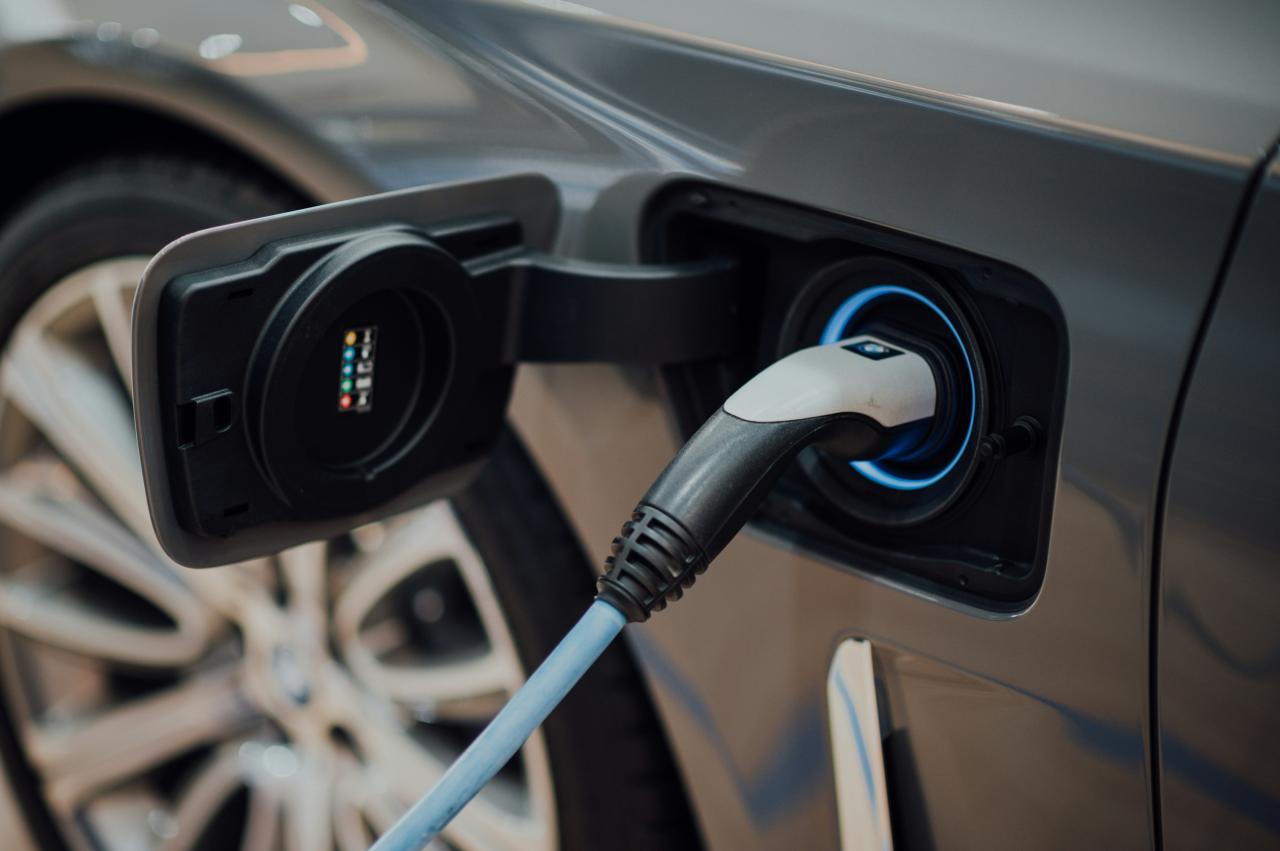
Traditional lithium-ion batteries have been the backbone of the electric movement for a long time.
Recent improvements in cell chemistry, specifically the move toward NCM (Nickel Cobalt Manganese) 811, have significantly boosted energy density.
This means more power can be packed into a smaller, lighter footprint, which is crucial for the heavy frame of a high-performance SUV.
Nickel-Rich Chemistries: Increasing nickel content allows for higher energy storage and longer driving ranges.
Cell-to-Pack (CTP) Technology: This design removes the need for individual modules, fitting more cells directly into the battery tray.
Improved Cycle Life: Modern lithium cells can now withstand thousands of charge cycles with minimal degradation.
B. Solid-State Battery Breakthroughs
Solid-state technology is often called the “Holy Grail” of the electric vehicle industry.
By replacing the liquid electrolyte with a solid material, these batteries eliminate the risk of fire and allow for much faster charging.
Several major automakers are already testing prototypes that could potentially double the range of current luxury SUVs.
Enhanced Safety: Solid electrolytes are non-flammable, making them much safer during high-speed impacts.
Higher Energy Density: They can store up to 50% more energy than conventional batteries of the same size.
Extreme Temperature Resilience: These batteries perform better in both freezing winters and scorching summers.
C. Silicon Anode Innovation
Standard batteries use graphite for the anode, but silicon is a much more efficient alternative.
Silicon can hold significantly more lithium ions than graphite, which translates to a massive jump in vehicle range.
Engineers have recently solved the “swelling” issue of silicon, making it a viable option for high-performance mass production.
Fast Charging Capabilities: Silicon anodes allow for much higher current flow without damaging the battery.
Weight Reduction: Because silicon is more efficient, the overall weight of the battery pack can be reduced.
Supply Chain Sustainability: Silicon is abundant and easier to source compared to traditional battery minerals.
D. Thermal Management and Liquid Cooling Systems
High-performance SUVs generate a massive amount of heat during rapid acceleration and ultra-fast charging.
Advanced cooling systems now use specialized liquids that circulate through the battery pack to maintain an optimal temperature.
Keeping the battery cool is the secret to maintaining high speeds for long periods without “throttling” the power.
Active Cooling Plates: These sit between battery cells to pull heat away directly from the source.
Heat Pump Integration: This system recycles waste heat to warm the cabin, saving battery energy for driving.
Immersion Cooling: A newer technique where cells are submerged in a non-conductive cooling fluid for maximum efficiency.
E. The Move Toward 800-Volt Architecture
Most early electric vehicles used a 400-volt system, but the new standard for performance is 800 volts.
This higher voltage allows for thinner wiring, which reduces vehicle weight and increases overall efficiency.
More importantly, it enables ultra-fast charging speeds that can add 200 miles of range in less than 15 minutes.
Reduced Heat Loss: Higher voltage means lower current is needed, which generates less heat during operation.
Smaller Components: Motors and inverters can be made smaller and more powerful under an 800V system.
Future-Proofing: Most new high-speed charging networks are being built specifically for 800V vehicles.
F. Structural Battery Packs
In a high-performance SUV, every pound matters, which is why the battery is now becoming part of the car’s frame.
Structural battery packs act as a stressed member of the chassis, increasing the vehicle’s stiffness and safety.
This design reduces the number of parts needed, leading to a lighter and more agile driving experience.
Increased Rigidity: A stiffer chassis improves handling and reduces body roll in tight corners.
Safety Integration: The battery pack serves as a protective shield for passengers during side-impact collisions.
Simplified Manufacturing: Fewer parts mean less complexity and potentially lower costs for the consumer.
G. Software-Defined Battery Management (BMS)
The “brain” of the battery is just as important as the chemistry inside the cells.
Modern Battery Management Systems use Artificial Intelligence to predict cell failure and optimize energy flow.
This software ensures that each cell is balanced, preventing one weak cell from slowing down the entire vehicle.
Cloud-Connected Diagnostics: The car can send data to the manufacturer to predict when a battery needs service.
Dynamic Charging Profiles: The software adjusts charging speeds based on the battery’s current temperature and age.
Range Estimation Accuracy: AI helps provide a more realistic “miles to empty” reading by analyzing driving habits.
H. Cobalt-Free and Sustainable Chemistries
The ethical concerns surrounding cobalt mining have led to a surge in cobalt-free battery research.
Lithium Iron Phosphate (LFP) batteries are becoming popular for their safety and lower environmental impact.
While LFP used to be lower in energy, new “Manganese-rich” versions are closing the gap for performance SUVs.
LFP Batteries: Known for being incredibly durable and less prone to “thermal runaway.”
Lower Costs: Removing expensive metals like cobalt and nickel makes high-performance EVs more affordable.
Ethical Sourcing: Brands can now market their vehicles as being more socially responsible.
I. Bidirectional Charging and V2X Technology
High-performance SUVs carry enough energy to power a standard home for several days.
Vehicle-to-Everything (V2X) technology allows the car to send power back to the grid or use it for camping equipment.
This turns the SUV into a mobile power station, adding a new layer of utility to the ownership experience.
Vehicle-to-Home (V2H): Use your SUV to power your house during a blackout or peak energy hours.
Vehicle-to-Load (V2L): Built-in outlets that can run power tools, laptops, or even electric grills.
Grid Stabilization: EVs can help balance the energy grid by storing excess solar or wind power.
J. Longevity and Second-Life Applications
The life of an SUV battery doesn’t end when the vehicle is retired from the road.
Batteries that have lost 20% of their capacity are still perfect for stationary energy storage.
This “second life” makes the total lifecycle of an electric SUV much more sustainable than any gas vehicle.
Home Energy Storage: Old car batteries can be repurposed to store solar energy for residential use.
Industrial Backups: Large-scale battery farms use retired EV packs to support data centers.
Efficient Recycling: New methods allow for the recovery of 95% of the rare metals found inside the cells.
The Economic Impact of Battery Innovation
The cost of producing batteries has dropped by over 80% in the last decade alone.
This price reduction is finally bringing luxury performance within reach of the average buyer.
As factories scale up, we are seeing the birth of “Giga-factories” that can produce millions of cells a year.
This massive scale is driving down the price of the entire electric vehicle ecosystem.
Governments are also offering billions in credits to companies that build batteries locally.
The battery industry is becoming the new “oil and gas” sector in terms of geopolitical importance.
For consumers, this means more choices and better technology at lower prices every year.
Enhancing the Driving Experience Through Tech
Performance SUVs are now defined by their software as much as their hardware.
The ability to update a car’s battery performance through the air is a complete game-changer.
Owners can wake up to find their car has more range or faster acceleration than it did the day before.
This digital-first approach keeps the vehicle feeling new for much longer than a traditional car.
It also allows manufacturers to fix bugs and improve safety without a physical recall.
The relationship between the driver and the machine is becoming more interactive and data-driven.
Electric SUVs are truly the first “smartphones on wheels” to hit the mass market.
Future Horizons in Energy Storage
We are just beginning to scratch the surface of what is possible with portable energy.
Researchers are looking into graphene and even salt-based batteries for the next generation.
These materials could make batteries even lighter and faster to charge than anything we have today.
The goal is a vehicle that can be “refueled” as quickly as a gasoline car but with zero emissions.
Wireless charging roads are also being tested to charge SUVs while they are driving.
The future of transportation is clean, silent, and incredibly fast.
Every new advancement brings us closer to a world without fossil fuel dependence.
Conclusion
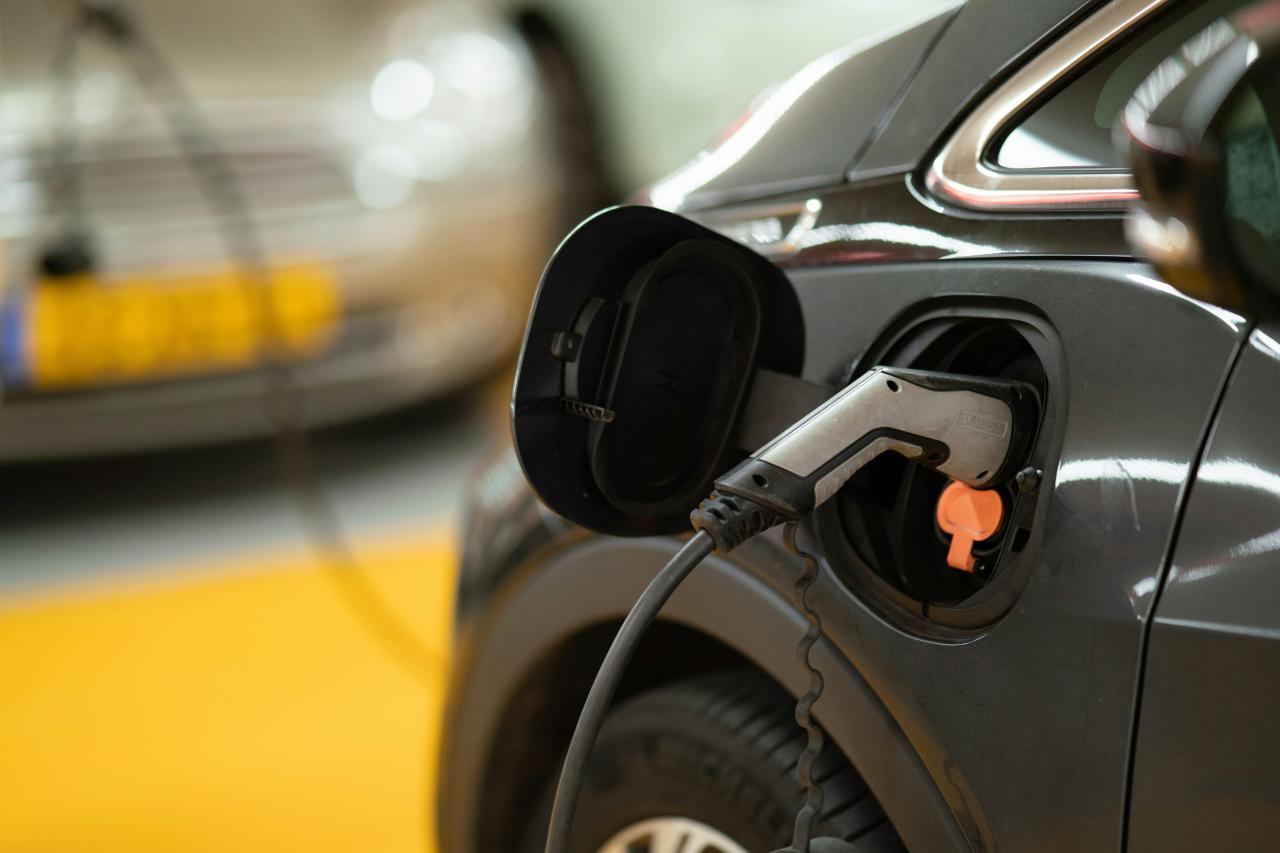
Advanced battery tech is the real engine behind the modern electric SUV. Energy density is reaching levels that make range anxiety a thing of the past. Solid-state batteries will soon set a new standard for safety and charging speed. Sustainable materials are making the entire industry more environmentally friendly.
Software-driven management ensures that your battery stays healthy for many years. The integration of the battery into the car’s frame is improving overall performance. Bidirectional charging turns your high-performance SUV into a valuable energy asset. The future of driving is undeniably electric and more exciting than ever before.