The shift towards electric vehicles (EVs) is rapidly accelerating, moving from a niche market to the mainstream automotive choice for millions globally. This fundamentally alters how we think about “fueling” our cars. While the purchase of an EV is an exciting step toward a sustainable future, the true revolution in convenience comes with the decision to install a dedicated home charging station. This transforms an ordinary garage or driveway into a personal, 24/7 fueling hub.
Relying solely on public charging infrastructure, while possible, can often be inconvenient, time-consuming, and surprisingly expensive. This makes the dedicated home setup a near necessity for maximizing the practical benefits of EV ownership, particularly the ability to wake up every morning with a fully “charged tank.” However, the process of installing an EV charger, often referred to as Electric Vehicle Supply Equipment (EVSE), is more complex than simply plugging into a standard wall socket. It involves critical decisions regarding charging speed (Level 1 vs. Level 2), careful assessment of the home’s existing electrical capacity, meticulous adherence to local building codes, and, most significantly, a substantial initial financial investment.
Understanding the technical requirements, navigating the permitting process, and accurately estimating the total installation costs are essential steps that prevent costly errors. These steps ensure the setup is safe, efficient, and future-proof. This comprehensive guide will meticulously walk you through every stage of installing a Level 2 home EV charger. It will detail the necessary electrical upgrades, explain the factors that influence the final price, and equip you with the knowledge to make an informed, budget-conscious decision.
Understanding EV Charging Levels
Before embarking on an installation project, it’s vital to distinguish between the two primary types of home charging available. These types dictate speed, cost, and electrical requirements.
The choice between a standard Level 1 and a dedicated Level 2 system impacts daily convenience significantly. Level 2 charging is the gold standard for home use, providing the speed necessary for full overnight replenishment.
A. Level 1 Charging (Standard Outlet)
Level 1 charging uses the basic 120-volt (V) household outlet that’s common in North America (or 230V/240V in many other regions). It requires no special installation.
1. A. Speed and Utility: This method is extremely slow, typically providing only 2 to 5 miles (3 to 8 km) of range per hour. It is only suitable for drivers who travel minimal daily distances or as a last resort backup.
2. B. Installation Cost: The cost is essentially zero, as it only involves plugging the car’s portable charging cable into an existing standard outlet. This simplicity is its only major advantage.
B. Level 2 Charging (Dedicated System)
Level 2 charging utilizes a 240-volt circuit, similar to an electric clothes dryer or oven. This is the recommended choice for dedicated home charging.
1. C. Speed and Convenience: Level 2 dramatically increases charging speed, typically delivering 25 to 40 miles (40 to 65 km) of range per hour. This allows most modern EVs to fully recharge overnight.
2. D. Electrical Requirement: It requires the installation of a dedicated circuit (usually 40 to 60 amperes or A) and the purchase of a permanent wall-mounted EVSE unit. This requires professional electrician services.
II. The Installation Process: Step-by-Step
Installing a Level 2 charger is a significant electrical job that follows a prescribed sequence, starting with planning and ending with final inspection.
C. Initial Planning and Assessment
The first step involves evaluating your current electrical setup and determining the optimal location for the charger.
1. E. Electrical Panel Capacity: The most critical assessment is checking your home’s main electrical panel capacity. A standard modern Level 2 charger needs 40-60A of dedicated capacity. Older homes with 100A service may require an expensive panel upgrade to safely accommodate the load.
2. F. Charger Location: The EVSE unit should be mounted close to where the vehicle will park, minimizing the distance the electrician must run new heavy-gauge wiring from the main panel. A shorter run drastically reduces material and labor costs.
D. Permitting and Code Compliance
This is a mandatory step that ensures safety and protects your homeowner’s insurance validity.
1. G. Necessary Permits: Nearly all local jurisdictions require a permit for the installation of a Level 2 charger. This involves submitting plans to the local building or electrical department for review and approval.
2. H. Code Adherence: A professional electrician ensures the installation meets the rigorous standards of the National Electrical Code (NEC). This includes the use of correctly sized wire, proper grounding, and appropriate circuit protection.
E. Installation and Final Inspection
The physical installation is best left to a licensed professional to ensure safety and code compliance.
1. I. Circuit Installation: This involves installing a new, high-capacity circuit breaker in the main panel. It also involves running the heavy-gauge wire through walls and conduit to the chosen location, and installing the necessary 240V receptacle or directly wiring the EVSE unit.
2. J. Charger Mounting: The wall-mounted EVSE unit is securely fastened, and the electrician completes the electrical connections. They will then test the system to confirm proper voltage and charging function.
3. K. Final Sign-off: After installation, a local electrical inspector will examine the work to ensure compliance with the permit and safety codes. Only after this final sign-off is the installation fully legal and safe.
III. Detailed Cost Breakdown and Variables

The cost of a Level 2 home charger installation varies widely, typically ranging from $800 to over $4,000. This depends on several key factors.
F. Equipment and Unit Costs
The price of the actual charging unit depends on its features, brand, and maximum amperage output.
1. L. EVSE Unit Price: A basic, well-regarded EVSE unit costs between $400 and $700. Premium models with smart features, Wi-Fi connectivity, and integrated cable management can exceed $1,000.
2. M. Smart Features: Consider a “smart” charger that allows you to schedule charging times, track electricity usage, and integrate with utility demand response programs. This feature adds long-term efficiency savings.
G. Labor and Electrical Complexity
Labor costs account for the majority of the installation price and are highly variable based on difficulty.
1. N. Distance from Panel: The distance (length of the wire run) between the main electrical panel and the charger location is the biggest cost driver. Every additional foot requires more expensive, heavy-gauge copper wiring and more labor time.
2. O. Panel Upgrades: If the main electrical panel is full or lacks sufficient service capacity (e.g., needing an upgrade from 100A to 200A service), the total cost can jump dramatically. This could potentially add $2,000 to $4,000 for the panel replacement alone.
3. P. Routing Difficulty: Running conduit through finished walls, concrete, or across basements adds significant labor time. A simple garage installation with an exposed panel is always cheaper than a long outdoor run to a detached carport.
H. Hidden Costs and Regulatory Fees
Beyond the hardware and labor, several regulatory and administrative fees must be factored into the total budget.
1. Q. Permit Fees: Local building and electrical permit fees are unavoidable and typically range from $50 to $300, depending on the municipality.
2. R. Utility Fees: Some utility companies require an application or inspection fee when connecting a new, large load like an EV charger. In rare cases, they may require a separate sub-meter installation.
IV. Incentives, Rebates, and Future-Proofing
Leveraging available financial assistance and planning for future needs can drastically reduce the net cost and ensure a long lifespan for the investment.
I. Financial Incentives and Tax Credits
Significant financial relief is often available from various governmental and utility sources. This makes the installation much more affordable.
1. S. Federal Tax Credits: Many countries offer a federal tax credit for EVSE equipment and installation costs. This can cover a substantial percentage of the project. This is a critical factor in lowering the final price.
2. T. State and Local Rebates: Check with your state energy office and local utility provider. Many offer direct rebates or voucher programs that specifically target EV charger installation to encourage adoption.
J. Future-Proofing Your Investment
Technology changes quickly; planning for the future ensures your installation remains relevant for many years.
1. U. High-Amperage Circuit: Even if your current car only draws 32A, it is highly recommended to install a 60A circuit (with appropriate wire and breaker). This allows you to upgrade to a faster charger (up to 48A) for your next EV without needing expensive re-wiring.
2. V. NEMA Receptacle: If installing a hardwired unit seems too permanent, opt for a NEMA 14-50 receptacle. This provides flexibility, allowing you to plug in and easily swap different EVSE units if technology changes or the unit fails.
K. Maximizing Efficiency with Utility Programs
Smart charging can save money on electricity bills and reduce stress on the grid.
1. W. Time-of-Use (TOU) Rates: Enroll in your utility’s Time-of-Use (TOU) rate plan. This charges a lower rate for electricity used during off-peak hours (typically late at night). Scheduling your EV to charge only during these cheap hours provides massive savings.
2. X. Demand Response Programs: Some utilities offer additional monetary incentives or credits for allowing them to occasionally pause or manage your charging session briefly during peak grid demand. A smart charger is necessary to participate in these programs.
V. Comparing Professional vs. DIY Installation
While some handymen might be tempted by a Do-It-Yourself (DIY) approach, the complexity and safety requirements of Level 2 charging strongly favor professional installation.
L. The Professional Advantage
Hiring a licensed electrician guarantees safety, compliance, and warranty coverage for the work.
1. Y. Safety and Liability: Dealing with 240V and high amperage is inherently dangerous and carries a significant fire risk if done incorrectly. Professional installation guarantees safety and ensures liability in case of an issue.
2. Z. Warranty Protection: Most EVSE manufacturers and EV makers void their product warranties if the unit is not installed by a certified electrician. This protection alone justifies the labor cost.
Conclusion
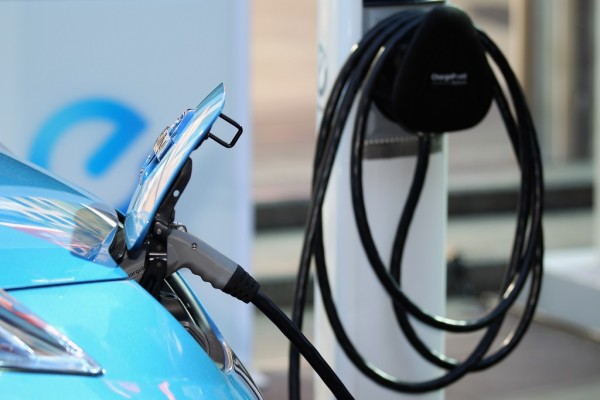
Installing a Level 2 home EV charger is the single most important action an owner can take to maximize the convenience and long-term utility of their electric vehicle investment.
The crucial first step involves meticulously assessing the home’s main electrical panel to confirm adequate capacity, as complex panel upgrades are the primary drivers of unexpected installation costs.
Labor costs are heavily influenced by the complexity and distance of the wire run from the main panel to the chosen charger location, making a short, simple run the most cost-effective scenario.
Consciously selecting a high-amperage circuit, such as a 60A breaker, and opting for a flexible NEMA 14-50 receptacle helps future-proof the installation against next-generation EV charging needs.
Leveraging substantial federal tax credits and local utility rebates is an essential financial strategy that can significantly offset the initial equipment and labor costs, making the investment much more affordable.
Enrolling in the utility’s Time-of-Use (TOU) electricity rate plan allows the owner to schedule charging exclusively during off-peak hours, generating considerable long-term savings on running costs.
The safety and necessity of securing a permit and final inspection cannot be overstated, as code compliance ensures the system is safe, legal, and preserves the validity of homeowner’s insurance in case of an electrical fault.