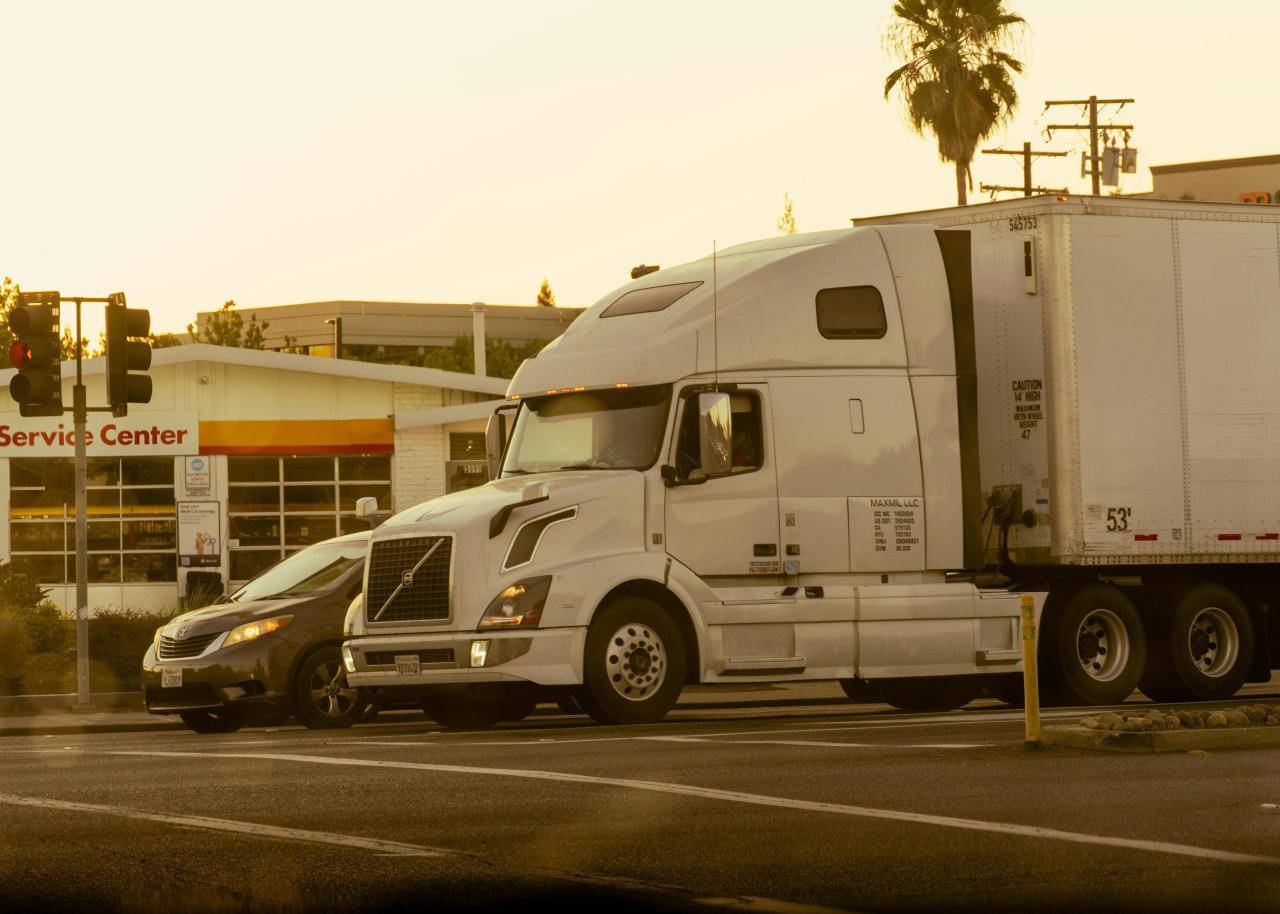
The global transportation sector is currently standing at the edge of the most significant transformation since the invention of the internal combustion engine. For decades, the movement of goods has relied on diesel-powered trucks and human drivers, a model that is increasingly strained by rising fuel costs and labor shortages. The emergence of autonomous electric trucking represents a dual-threat solution that addresses both environmental sustainability and operational efficiency in one stroke. By removing the need for fossil fuels, these vehicles drastically reduce the carbon footprint of global supply chains while lowering the per-mile cost of transport. Simultaneously, autonomous driving technology promises to eliminate human error and allow for twenty-four-hour operations without the need for mandatory rest breaks.
This shift is not just about changing the vehicle; it is about completely reimagining the logic of logistics from the ground up. Enterprises that adopt these next-generation fleets are positioning themselves to dominate a market where speed and cost-effectiveness are the ultimate metrics of success. As battery technology improves and software algorithms become more sophisticated, the transition to self-driving electric fleets is becoming an economic inevitability. This article explores how the convergence of clean energy and artificial intelligence is creating a new era of logistics that is faster, cleaner, and more profitable for everyone involved.
The Synergy of Electric Power and Automation
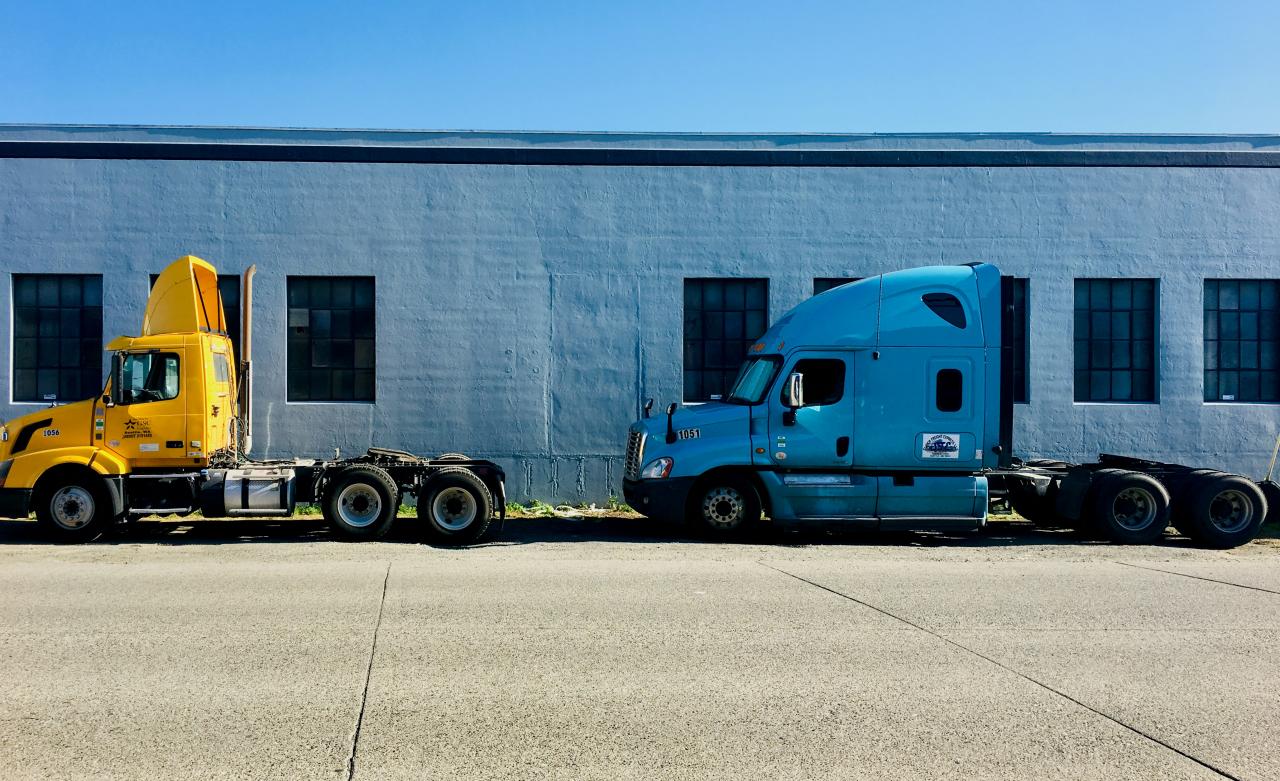
Combining electric drivetrains with self-driving software creates a technological synergy that far exceeds the capabilities of traditional vehicles. Electric trucks are inherently simpler to automate because digital software can control electric motors with much higher precision than mechanical engines.
This precision leads to smoother acceleration, better energy recovery through regenerative braking, and a more stable platform for sensors. When the “brain” of the truck and the “muscles” of the motor speak the same digital language, efficiency skyrockets.
A. Simplicity of the Electric Powertrain
Electric trucks have significantly fewer moving parts than diesel engines. This reduces the risk of mechanical failure and makes it easier for the autonomous system to monitor vehicle health in real-time.
B. Instant Torque and Precise Speed Control
Electric motors provide full torque immediately, allowing heavy trucks to navigate difficult terrain with ease. For an autonomous system, this means more predictable movements and safer merging on busy highways.
C. Regenerative Braking for Energy Recovery
Autonomous systems can optimize braking patterns to pump energy back into the battery. This “smart braking” extends the range of the truck and reduces wear and tear on the physical brake pads.
D. Low Center of Gravity and Stability
Battery packs are usually placed at the bottom of the chassis. This makes the truck much more stable during high-speed maneuvers, giving the autonomous software a safer physical platform to operate.
E. Integrated Thermal Management Systems
Smart trucks use advanced cooling systems to keep both the batteries and the AI processing units at the perfect temperature. This ensures that the vehicle can operate in extreme heat or cold without losing performance.
Economic Advantages for Modern Fleet Operators
The primary driver for adopting autonomous electric trucks is the massive reduction in “Total Cost of Ownership” (TCO). While the initial purchase price is higher, the savings in fuel and labor provide a rapid return on investment.
Operating a diesel fleet involves constant exposure to volatile oil prices. Electric fleets offer much more stable energy costs, especially when companies invest in their own renewable energy charging infrastructure.
A. Eliminating the Cost of Fossil Fuels
Electricity is significantly cheaper than diesel on a per-mile basis. By switching to electric power, fleet operators can cut their primary energy expenses by over sixty percent in many regions.
B. Reduction in Maintenance and Downtime
Without oil changes, transmission repairs, or exhaust system maintenance, electric trucks spend more time on the road. This increased “uptime” means the vehicle is earning money for more hours every year.
C. Optimizing Labor and Operational Hours
Autonomous trucks do not need to sleep, eat, or take breaks. This allows a single vehicle to cover twice the distance in a day compared to a truck driven by a human.
D. Insurance Savings through Safety Records
AI drivers do not get tired, distracted, or angry. As autonomous systems prove their safety record, insurance companies are expected to offer much lower premiums for self-driving fleets.
E. Aerodynamic Platoon Driving Capabilities
Autonomous trucks can follow each other very closely in a “platoon.” This reduces wind resistance for the trailing trucks, further lowering energy consumption by up to fifteen percent.
Solving the Charging Infrastructure Puzzle
The biggest hurdle for electric trucking is the need for a robust and fast-charging network. Unlike passenger cars, heavy-duty trucks require massive amounts of power to recharge their batteries in a reasonable timeframe.
Industry leaders are now developing “Megawatt Charging Systems” (MCS) that can fill a truck battery in under thirty minutes. This allows for rapid turnaround at logistics hubs and highway rest stops.
A. The Rise of Megawatt Charging Systems
These high-power chargers are designed specifically for the needs of heavy industry. They provide enough energy to power a small town, delivered directly into the truck’s battery pack.
B. Battery Swapping as a Time-Saving Alternative
Instead of waiting for a charge, some fleets use robotic stations to swap a dead battery for a full one in minutes. This model is particularly effective for “short-haul” routes between fixed warehouses.
C. On-Site Renewable Energy Generation
Logistics hubs are installing massive solar arrays on their warehouse roofs. This allows them to “grow” their own fuel, further insulating them from external energy price shocks.
D. Smart Grid Integration and Peak Shaving
Trucks can act as giant mobile batteries for the power grid. They can charge when energy is cheap and “sell” power back to the grid during peak demand times.
E. Wireless Inductive Charging Roads
The future may include roads that charge trucks while they are driving. This would allow electric trucks to have smaller batteries and unlimited range, fundamentally changing the logistics map.
Advancing Safety through Artificial Intelligence
Safety is the most critical metric for any autonomous system. Human drivers are prone to fatigue, which is a leading cause of accidents in the long-haul trucking industry today.
Autonomous trucks use a “sensor suite” that includes LiDAR, Radar, and high-definition cameras. This gives the vehicle a three-hundred-and-sixty-degree view of its surroundings that never blinks or gets distracted.
A. LiDAR and Three-Dimensional Mapping
LiDAR uses laser pulses to create a precise 3D map of the environment. This allows the truck to “see” obstacles even in total darkness or heavy fog.
B. Redundant Sensor Fusion Technology
By combining data from different types of sensors, the AI can cross-reference what it sees. If the camera is blinded by the sun, the radar can still detect the vehicle in front.
C. Predictive Analytics for Hazard Avoidance
AI can predict the movements of other cars seconds before they happen. This proactive approach allows the truck to slow down or change lanes before a dangerous situation develops.
D. V2X (Vehicle-to-Everything) Communication
Smart trucks can “talk” to traffic lights, bridges, and other vehicles. This shared data network allows the entire traffic system to coordinate for maximum safety and efficiency.
E. Cybersecurity for Autonomous Fleets
Protecting a self-driving truck from hackers is a top priority. Next-gen fleets use encrypted communication and isolated “firewalls” to ensure that the AI cannot be interfered with.
Environmental Impact and ESG Compliance
Environmental, Social, and Governance (ESG) standards are becoming a major factor in corporate valuations. Moving to electric trucking is the fastest way for a retail or manufacturing giant to hit its “Net Zero” targets.
Consumers are also demanding cleaner shipping methods. A company that can prove its products were delivered by a zero-emission autonomous fleet gains a significant brand advantage.
A. Zero Tailpipe Emissions and Air Quality
Electric trucks do not emit nitrogen oxides or particulate matter. This significantly improves the air quality in cities and near major shipping ports.
B. Reduction in Noise Pollution
Diesel trucks are incredibly loud, which often leads to restricted “quiet hours” in residential areas. Electric trucks are nearly silent, allowing for night-time deliveries without disturbing neighbors.
C. Sustainable Battery Life Cycles
The industry is moving toward “second-life” uses for old truck batteries. Once a battery is too weak for a truck, it can be used for stationary energy storage in homes or factories.
D. Lowering the Carbon Footprint of the Supply Chain
Every mile driven by an electric truck instead of a diesel one saves several pounds of CO2. When scaled across a global fleet, the environmental impact is massive and immediate.
E. Transparency through Green Logistics Reporting
Digital trucks provide exact data on energy use for every trip. This allows companies to create highly accurate sustainability reports for their investors and customers.
Navigating the Regulatory Landscape
The transition to autonomous trucking is not just a technical challenge; it is a legal one. Governments are currently drafting the rules for how self-driving vehicles should be tested and deployed on public roads.
Most experts expect a “phased” approach to regulation. We will likely see autonomous trucks on dedicated highway lanes before they are allowed to navigate complex city streets.
A. State and Federal Testing Permits
Companies must obtain specific permits to test autonomous hardware on public highways. These permits require the company to share safety data and maintain human “safety drivers” during the early stages.
B. Liability and Insurance Law Updates
If an autonomous truck is involved in an accident, who is at fault? Legal systems are currently being updated to handle the shift from “driver liability” to “manufacturer liability.”
C. International Standards for Autonomous Tech
For a truck to drive from Canada to the US, the systems must be compatible. Global organizations are working to create a unified standard for V2X communication and safety protocols.
D. Zoning for Autonomous Logistics Hubs
Cities are beginning to zone specific areas for “autonomous-only” docks. This minimizes the interaction between self-driving trucks and human-driven cars in crowded urban environments.
E. Labor Protection and Workforce Transition
Governments are also concerned about the impact on human truck drivers. Policies are being developed to help current drivers transition into roles as fleet managers or remote operators.
Remote Operation and the “Human-in-the-Loop”
Autonomous does not mean “unsupervised.” The future of trucking will involve remote operation centers where human “pilots” monitor dozens of trucks simultaneously from a central office.
If a truck encounters a situation it cannot handle—like a complex construction zone—a remote operator can take control of the vehicle via a high-speed video link.
A. Tele-Operation and Remote Assistance
Using 5G or satellite links, a human can “drive” the truck from thousands of miles away. This allows for human intuition to be applied to difficult situations without the person needing to be in the cab.
B. Fleet Command and Control Centers
Command centers look like air traffic control towers. Managers monitor the health, location, and energy levels of the entire fleet to ensure everything is running on schedule.
C. Collaborative AI-Human Decision Making
The AI handles the boring, repetitive highway driving, while the human handles the complex “first and last mile” navigation. This hybrid model is the most efficient way to scale the technology.
D. The Role of the “Safety Driver” in Early Adoption
In the near term, a human will still sit in the cab to monitor the system. As the technology proves its reliability, these roles will move from the truck to the remote office.
E. Upskilling the Trucking Workforce
The job of a “trucker” is changing into a “logistics technician.” Workers will need to understand software, data analysis, and remote vehicle management to succeed in the new economy.
Hardware Innovations in Truck Design
Autonomous electric trucks don’t have to look like traditional trucks. Since there is no need for a human cab, the entire shape of the vehicle can be redesigned for maximum aerodynamics.
“Cab-less” designs are becoming more common in prototypes. These vehicles are essentially a giant battery and a motor with a trailer attached, looking more like a futuristic pod than a traditional semi-truck.
A. Eliminating the Driver’s Cab for Aero-Efficiency
Removing the windows, seats, and steering wheel allows the truck to be much more aerodynamic. This reduces drag and can increase the vehicle’s range by over twenty percent.
B. Modular Chassis and Trailer Integration
Future trucks will have a “skateboard” design where different types of cargo pods can be swapped out. This makes the fleet much more versatile for different types of logistics tasks.
C. Advanced Lightweight Materials
Using carbon fiber and aluminum instead of steel helps offset the weight of the heavy battery packs. A lighter truck can carry more cargo while using less energy.
D. In-Wheel Motor Technology
By putting small motors directly in the wheels, engineers can remove the heavy driveshaft. This creates more space for batteries and allows for better maneuverability in tight spaces.
E. Self-Healing and Durable Tires
Smart trucks need tires that can monitor their own pressure and wear. Since there is no driver to check the tires, the vehicle must be able to detect a potential blowout before it happens.
Global Market Leaders and Competitors
The race for autonomous electric trucking is global, with major players in the US, Europe, and China. Companies like Tesla, Volvo, and several well-funded startups are competing for the first-mover advantage.
Each company has a different philosophy. Some are focused on the truck hardware, while others are focusing on the “software stack” that can be installed on any existing truck.
A. The Tesla Semi and the “Mega-Charger” Network
Tesla is leveraging its experience with passenger EVs to build a high-performance heavy truck. Their focus is on extreme speed, range, and a massive proprietary charging network.
B. Volvo and the European Electric Vision
European manufacturers are focusing on regional “hub-to-hub” logistics. They are testing autonomous fleets in controlled environments like mines and ports before moving to public roads.
C. Chinese Innovations in Battery Swapping
Chinese firms are leading the world in battery swapping infrastructure. This allows them to operate electric trucks with zero downtime, making them highly competitive in high-volume markets.
D. Autonomous Software Startups (Aurora, Kodiak, etc.)
These companies are not building trucks; they are building the “driver.” They partner with traditional truck makers to install their AI “virtual driver” into existing vehicle platforms.
E. The Role of Traditional Logistics Giants (UPS, FedEx, DHL)
The users of the trucks are also driving innovation. These companies are investing directly in the tech to ensure that the final product meets the specific needs of their global networks.
The Future of the “Autonomous Logistics Hub”
The final piece of the puzzle is the redesign of the warehouse itself. An autonomous truck needs an autonomous dock to truly achieve maximum efficiency.
We are seeing the rise of “Dark Warehouses,” where robots handle everything from unloading the truck to sorting the packages. In this vision, a human never touches the product from the factory to the customer’s door.
A. Automated Loading and Unloading Docks
Conveyor belts and robotic arms can clear a trailer in minutes. This ensures that the expensive autonomous truck is never sitting idle while waiting for a human crew.
B. AI-Driven Yard Management Systems
The “yard” is often the most chaotic part of a logistics center. AI can coordinate the movements of dozens of trucks to ensure they are always in the right place at the right time.
C. Hydrogen Backup for Remote Hubs
In areas where the power grid is weak, hydrogen fuel cells can provide backup power for charging. This allows for “off-grid” logistics centers in remote or rural locations.
D. Urban Micro-Fulfillment Centers
Small, autonomous electric vans will carry goods from the highway hubs into the heart of the city. These “last-mile” vehicles will be smaller and more agile than the long-haul trucks.
E. The “Internet of Moving Things”
In the future, the entire logistics network will be a single, self-optimizing machine. Every truck, warehouse, and package will be connected to a global brain that moves goods at the speed of light.
Conclusion

The revolution of autonomous electric trucking is set to redefine the global economy by slashing the cost of moving goods. This transformation is driven by the perfect alignment of clean energy benefits and artificial intelligence precision. Fleet operators are moving toward this technology to escape the volatility of fuel prices and the challenges of labor shortages. Safety will be the ultimate selling point as AI systems continue to outperform human drivers in complex highway scenarios. Environmental goals are no longer a burden but a competitive advantage for companies that embrace zero-emission transport. The development of megawatt charging infrastructure is the critical foundation that will allow these fleets to scale globally.
Governments and legal systems are quickly evolving to create a safe framework for the deployment of self-driving heavy vehicles. Human roles in the industry are not disappearing but are shifting toward high-tech remote operation and fleet management. Redesigning the physical shape of the truck for aerodynamics is unlocking new levels of energy efficiency and range. The integration of automated warehouses with autonomous fleets creates a frictionless supply chain from end to end. Competition between global tech giants and traditional manufacturers is accelerating the pace of innovation every day. We are entering an era where the carbon footprint of a product will be as important as its price tag to the consumer. The companies that lead this transition today will be the dominant forces in the global logistics market of tomorrow.