The segment of the luxury Sport Utility Vehicle (SUV) has transcended its initial role as a mere status symbol. It evolved into a sophisticated class of vehicles that expertly blend high-end performance, opulent cabin comfort, and cutting-edge digital technology. This effectively serves as the modern, high-riding equivalent of the traditional executive sedan.
For today’s affluent consumer, the expectation is no longer simply about possessing a prestigious badge. It demands a comprehensive, uncompromising package that manages to deliver blistering straight-line speed alongside serene cabin acoustics. It also requires rugged all-wheel-drive capability seamlessly integrated with automated driving assistance features. This demanding convergence of opposing requirements—utility and extravagance, agility and size—is the benchmark by which the current crop of premium SUVs is judged. This makes the competition intensely fierce and forces manufacturers to innovate dramatically in areas like material science, suspension tuning, and user-interface design.
Navigating the sheer breadth of options, which range from compact high-performance crossovers to full-size three-row chariots, requires a discerning eye. This eye must be capable of distinguishing genuine, enduring quality from superficial luxury veneers. Therefore, a meticulous, side-by-side comparison that delves beneath the polished exterior is crucial to identifying which models genuinely deliver on the promise of an elevated driving and ownership experience. This ensures that your significant investment translates into daily satisfaction and long-term prestige.
Defining the Modern Luxury SUV Benchmark

A luxury SUV is defined by more than just its price tag. It must achieve excellence in three critical pillars: comfort, technology, and performance.
These vehicles must offer a refined, quiet sanctuary for occupants. They must also deliver dynamic handling and provide a suite of seamless, intuitive digital interfaces. Failure in any one area disqualifies a model from true luxury status.
I. Unrivaled Cabin Comfort and Design
The interior is where a luxury SUV truly earns its designation. The focus is on tactile quality, acoustic isolation, and ergonomic perfection.
A. Materials and Craftsmanship
The choice and execution of interior materials must convey enduring quality and meticulous attention to detail.
1. A. Leather and Trim Selection: Look for genuine, high-grade leather with visible stitching (often hand-stitched on top trims). Surfaces should include open-pore wood, real metal accents, or high-quality carbon fiber, avoiding glossy plastic wherever possible.
2. B. Acoustic Isolation: Superior sound dampening, often utilizing acoustic glass, active noise cancellation technology, and triple-sealed doors, is essential. The cabin must remain library-quiet even at high highway speeds.
B. Seating Ergonomics and Features
Driver and passenger seating must offer personalized support for long-distance comfort and provide sophisticated climate control.
1. C. Multi-Contour Seats: Top-tier luxury SUVs feature 18-way or 20-way power adjustable seats, including adjustable thigh support, side bolsters, and lumbar controls. The ultimate luxury addition is a massage function for the driver and front passenger.
2. D. Climate Control: Features like rapid heating and ventilation for all rows are standard. True luxury adds heated armrests, heated steering wheels, and multi-zone automatic climate systems with air purification capabilities.
C. Interior Layout and Ergonomics
Design should balance visual aesthetics with effortless usability, making the driver feel in command, not overwhelmed.
1. E. Ambient Lighting: Sophisticated ambient lighting systems that allow for personalized color schemes enhance the mood and luxury feel. These are often subtly integrated into the dashboard and door panels.
2. F. Practical Luxury: Even in a luxury context, utility matters. Features like soft-close doors, automated sunshades, and intelligently designed storage compartments contribute significantly to the overall user experience.
II. Cutting-Edge Technology and Connectivity
The modern luxury SUV acts as a mobile digital hub. It integrates safety, navigation, and entertainment into a cohesive ecosystem.
D. Infotainment and User Interface
The digital displays must be high-resolution, fast, and feature intuitive, logical menu structures, avoiding complex layered interfaces.
1. G. Screen Real Estate and Integration: Look for integrated, curved screen displays that seamlessly merge the gauge cluster and the central infotainment screen (often a total of 30+ inches of screen). The best systems respond instantly to touch or voice commands.
2. H. Advanced Haptic Feedback: High-end systems utilize haptic feedback to provide a subtle physical sensation when controls are touched. This reduces the need for the driver to look away from the road, enhancing both safety and refinement.
E. Driver-Assistance and Autonomy (ADAS)
The goal of advanced driver assistance systems is to reduce driver fatigue and enhance safety with near-imperceptible intervention.
1. I. Lidar and Sensor Fusion: Top models use a sophisticated combination of radar, cameras, and even Lidar sensors for precise, high-definition mapping of the vehicle’s surroundings. This enables smooth, reliable operation of Level 2+ driver assistance systems.
2. J. Predictive Cruise Control: The best adaptive cruise control systems utilize navigation data to proactively adjust speed for upcoming curves, junctions, or speed limit changes. This makes the automated drive smoother and more human-like.
F. Audio Excellence and Connectivity
Audio quality is a defining feature of the luxury experience. It transforms the cabin into a private concert hall.
1. K. High-Fidelity Audio Systems: Premium brands partner with specialist audio houses (e.g., McIntosh, Burmester, Bang & Olufsen) to deliver 20+ speaker systems with high wattage. These systems often utilize 3D audio staging for an immersive listening experience.
2. L. Personalized Profiles: Modern luxury SUVs allow for the creation of multiple digital driver profiles. These save specific seat settings, climate preferences, media presets, and even navigation home addresses.
III. Performance and Driving Dynamics
Luxury performance is not just about raw speed. It is about the immediate availability of smooth power and confident, refined handling across diverse conditions.
G. Powertrain Options and Refinement
Engines must deliver massive torque and horsepower with minimal noise or vibration entering the cabin, defining silent authority.
1. M. Electrification and Torque: Most luxury SUVs now feature mild-hybrid or full Plug-in Hybrid Electric Vehicle (PHEV) powertrains. The electric motor provides instant, silent torque off the line, eliminating any initial turbo lag and dramatically improving city acceleration.
2. N. Zero-to-Sixty (0-100 km/h) Metric: Many high-performance luxury SUVs achieve sub-4.0-second 0-60 mph (0-100 km/h) times. This places them squarely in the territory of dedicated sports cars, a testament to modern engineering.
H. Suspension and Ride Quality
The ultimate test of a luxury SUV is its ability to instantaneously switch between serene cruising comfort and sharp, athletic handling.
1. O. Air Suspension Systems: Advanced air suspension is standard in this class. It allows the driver to dynamically adjust the ride height for easier access, off-roading, or high-speed stability. It constantly adjusts damping to absorb road imperfections.
2. P. Active Roll Stabilization: Sophisticated electromechanical anti-roll bars counteract body lean during aggressive cornering. This keeps the SUV remarkably flat and composed, defying its high center of gravity.
I. Braking and Steering Precision
The driver must feel intimately connected to the road, ensuring confidence and control, especially at high speeds or during emergency maneuvers.
1. Q. Steering Feel: Steering should be light and effortless for parking but gain appropriate weight and precision at highway speeds. Four-wheel steering (rear-axle steering) dramatically enhances low-speed maneuverability.
2. R. Braking Authority: High-performance braking systems, often utilizing large carbon-ceramic rotors on top trims, are necessary to confidently manage the substantial weight and speed of these vehicles.
IV. Segment Leaders and Their Specialties
The luxury SUV market segments are highly specialized. They cater to distinct buyer needs, from high-performance track agility to maximum utility.
J. Compact and Mid-Size Performance (e.g., Porsche Macan, Mercedes-AMG GLC)
These vehicles prioritize driving agility, dynamic handling, and high-performance engines. They feel more like sports sedans than SUVs.
1. S. Handling Prowess: Models in this class are designed around minimal body roll and immediate throttle response. They often feature torque vectoring systems that distribute power between the rear wheels for superior corner exit speed.
2. T. Design Focus: Styling tends to be aggressive, with sloped rooflines and pronounced aerodynamic elements that hint at their track capabilities.
K. Mid-Size and Large Executive Cruisers (e.g., BMW X5, Audi Q8)
These represent the core of the market. They balance comfort, passenger space, and technology for the daily commute and family use.
1. U. Practical Luxury: These models offer the best compromise, providing ample second-row legroom and cargo space, along with superior connectivity for rear passengers. They are the ideal choice for business use and long-distance travel.
2. V. Customization: Manufacturers in this segment offer extensive options catalogs. This allows buyers to custom-tailor everything from interior leather color to personalized trim pieces.
L. Full-Size Three-Row Flagships (e.g., Cadillac Escalade, Land Rover Range Rover)
These are the pinnacle of SUV luxury. They emphasize massive presence, ultimate comfort, and unparalleled passenger space.
1. W. Ultimate Comfort: Features like dedicated climate zones, expansive panoramic roofs, and luxurious second-row captain’s chairs (often heated, ventilated, and massaging) define this class.
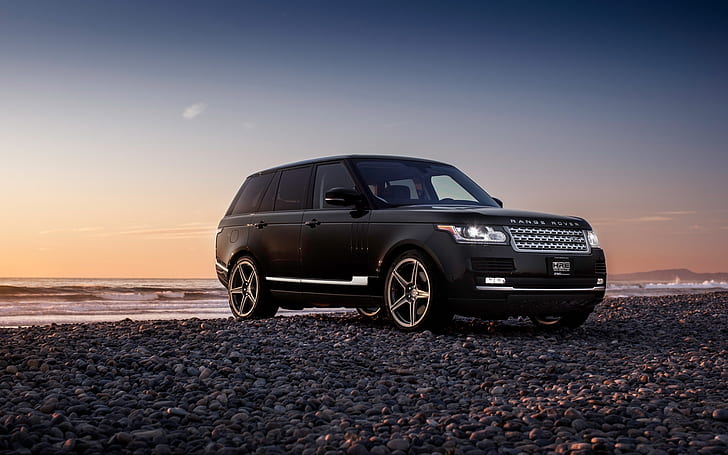
2. X. Off-Road and Presence: While used primarily on pavement, vehicles like the Range Rover maintain genuine off-road capability. The Escalade uses sheer size and design to convey ultimate road presence.
Conclusion
The contemporary luxury SUV is a triumphant engineering statement, successfully synthesizing high-level performance, cutting-edge technology, and opulent cabin comfort into a singular, compelling vehicle.
The hallmark of true luxury lies within the cabin, defined by the meticulous execution of high-grade materials and an acoustically isolated environment that ensures a serene experience at any speed.
Technology is no longer a mere option; it is an essential layer of the luxury experience, demanding intuitive, high-resolution digital interfaces and proactive, seamless integration of advanced driver assistance systems (ADAS).
Under the hood, modern luxury performance is characterized by instant, refined power delivery, increasingly achieved through sophisticated mild-hybrid and PHEV powertrains that prioritize massive, silent torque.
The most accomplished models expertly manage the contradiction between size and agility, utilizing advanced air suspension and active roll stabilization systems to deliver both comfortable cruising and confident, flat cornering.
Ultimately, the definitive choice requires the buyer to align their personal priorities—whether it be the sheer dynamic agility of a performance crossover or the stately, expansive comfort of a full-size flagship—with the unique specialties offered by the segment leaders.