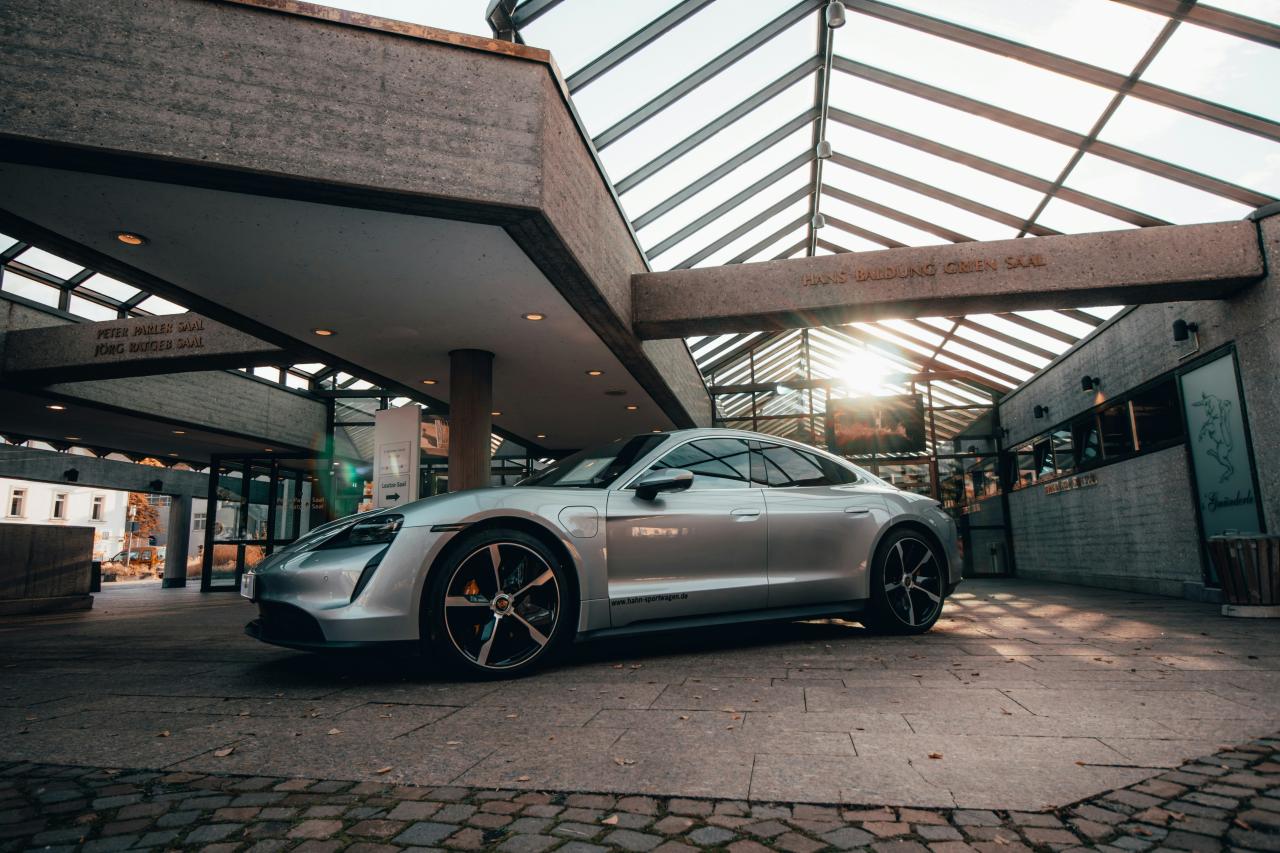
The automotive market is currently undergoing its most significant transformation since the invention of the internal combustion engine. High-net-worth individuals are no longer looking at vehicles merely as a means of transportation but as strategic assets that reflect both technological sophistication and environmental responsibility.
Choosing a luxury electric vehicle (EV) requires a much deeper level of analysis than simply picking a fast car with a premium badge. This decision involves evaluating battery chemistry longevity, proprietary software ecosystems, and the long-term stability of charging infrastructures. As an automotive enthusiast and savvy consumer advocate, she believes that the shift to electric power is the ultimate convergence of engineering and sustainable luxury.
By understanding the specific criteria that define a “blue-chip” electric vehicle, buyers can protect their capital while enjoying the pinnacle of modern driving. This comprehensive guide breaks down the complex factors that determine which luxury EVs are worth the investment and which are likely to face rapid obsolescence. It is time to view your next vehicle purchase through the lens of a strategic collector and tech-forward visionary.
Evaluating Battery Architecture and Range Efficiency
The heart of any electric vehicle investment lies in its battery technology and how efficiently it converts stored energy into motion. Not all batteries are created equal, and the chemistry used can significantly impact the car’s performance over several years of ownership. A premium EV should offer a high energy density that allows for long-distance travel without frequent, time-consuming stops at charging stations.
A. Analyzing Lithium Ion versus Solid State Developments
B. Evaluating Thermal Management Systems for Battery Health
C. Understanding Energy Density and Weight Distribution Metrics
D. Assessing Real World Range versus Laboratory Estimates
E. Investigating Fast Charging Curve Consistency Over Time
Investing in a vehicle with an advanced 800-volt architecture is a smart move for future-proofing your purchase. This technology allows for much faster charging speeds, which is becoming the standard for the luxury segment. A well-designed thermal management system ensures the battery remains at optimal temperatures, preventing degradation during extreme weather or high-speed driving.
Software Ecosystems and Over the Air Updates
In the modern era, a luxury car is essentially a high-performance computer on wheels, making software the most important feature for long-term value. A vehicle that can receive over-the-air (OTA) updates will actually improve over time, adding new features and improving efficiency without a trip to the service center. You want to invest in a brand that views software as a core competency rather than an afterthought.
A. Assessing Autonomous Driving Hardware and Sensors
B. Evaluating User Interface Responsiveness and Design
C. Analyzing Integration with Mobile and Smart Home Tech
D. Understanding Cybersecurity Protocols for Connected Cars
E. Measuring Frequency and Quality of Software Enhancements
The resale value of a luxury EV is heavily tied to its software capabilities and hardware-software integration. If a manufacturer fails to provide consistent updates, the vehicle quickly feels dated and less desirable on the secondary market. High-end buyers should prioritize platforms that offer advanced driver assistance systems that can be upgraded as regulations and technology evolve.
Build Quality and Sustainable Material Innovation
True luxury is defined by the quality of the materials and the precision of the assembly process. In the electric segment, this now includes a focus on sustainable and vegan materials that offer the same tactile feel as traditional leather and wood. An investment-grade vehicle must have impeccable fit and finish, with no rattles or panel gaps that detract from the premium experience.
A. Evaluating Recycled and Bio Based Interior Textiles
B. Assessing Acoustic Engineering and Cabin Quietness
C. Analyzing Paint Quality and Structural Integrity
D. Investigating Precision of Digital and Physical Controls
E. Comparing Traditional Luxury Trim versus Modern Minimalist Styles
The absence of an engine note means that wind and road noise are much more noticeable in an EV. Luxury manufacturers use specialized acoustic glass and sound-dampening materials to create a serene “vault-like” environment. This attention to detail is what separates a mass-market electric car from a true luxury investment that maintains its prestige.
Proprietary Infrastructure and Charging Access
The value of an electric vehicle is inherently linked to how easily and reliably it can be charged. Brands that offer access to a dedicated, high-speed charging network provide a level of convenience that adds significant value to the ownership experience. You must evaluate whether the vehicle uses the most common connector standards or requires cumbersome adapters for public charging.
A. Mapping Access to Private High Speed Charging Hubs
B. Evaluating Home Charging Installation Requirements
C. Analyzing Plug and Charge Functionality for Convenience
D. Investigating International Charging Standard Compatibility
E. Measuring Average Downtime of Public Network Infrastructure
A luxury EV that is difficult to charge becomes a liability rather than an asset. Modern systems now feature “Plug and Charge” technology, where the car and the charger communicate automatically to handle billing without needing a phone app or credit card. This seamless interaction is a hallmark of a well-engineered luxury ecosystem that respects the owner’s time.
Brand Heritage versus Tech Disruptors
The luxury EV market is currently split between established heritage brands and new, tech-focused disruptors. While heritage brands offer a long history of craftsmanship and service networks, disruptors often lead the way in raw performance and software innovation. Your selection criteria should weigh the stability of a legacy manufacturer against the cutting-edge excitement of a newcomer.
A. Analyzing Manufacturer Stability and Financial Health
B. Evaluating Depth and Quality of the Service Network
C. Assessing Brand Prestige in the Global Luxury Market
D. Understanding Depreciation Curves of New Entrants
E. Investigating Warranty Coverage and Customer Support Reputations
Legacy brands often have a massive advantage when it comes to parts availability and physical service locations. However, tech disruptors may offer a more cohesive digital experience that appeals to a younger, more tech-savvy demographic. Finding the balance between these two worlds is the key to a successful long-term automotive investment.
Performance Dynamics and Driving Engagement
Even though electric cars are known for their instant torque, the way that power is delivered defines the “soul” of the vehicle. A luxury EV should offer a refined driving experience that can transition from effortless cruising to intense performance at the touch of a button. Suspension tuning and steering feel are critical for ensuring the car remains engaging to drive rather than feeling like a sterile appliance.
A. Evaluating Dual versus Tri Motor Powertrain Layouts
B. Assessing Air Suspension and Adaptive Damping Quality
C. Analyzing Regenerative Braking Smoothness and Adjustability
D. Understanding Torque Vectoring for Enhanced Cornering
E. Measuring Acceleration Consistency and Top Speed Stability
Advanced air suspension systems are essential for masking the heavy weight of the battery packs found in large luxury EVs. These systems can lower the car for better aerodynamics at high speeds or raise it for comfort on rough city streets. A truly sophisticated EV allows the driver to customize every aspect of the performance to match their personal driving style.
Resale Value and Market Demand Trends
The final and most important criterion for any investment is the projected resale value. You should research which models currently hold their value best in the used market and which features are most requested by secondary buyers. Factors like battery health reports and the transferable nature of software subscriptions play a massive role in the final selling price.
A. Analyzing Historical Depreciation for Specific Models
B. Evaluating Demand for Certified Pre Owned Programs
C. Understanding the Impact of Battery Warranty Length
D. Assessing Market Desire for Specific Color and Trim Options
E. Investigating the Influence of Government Incentives on Resale
Luxury EVs that are oversupplied or frequently discounted by the manufacturer tend to have the worst resale values. By choosing a model with a controlled production volume and a high level of desirability, you can minimize the total cost of ownership. This financial foresight ensures that your “investment” remains a sound one when it comes time to upgrade to the next generation.
Conclusion
The decision to acquire a luxury electric vehicle is a significant financial and lifestyle commitment. Traditional metrics of luxury are being redefined by digital innovation and sustainable engineering. Battery technology remains the most critical factor in determining the long-term viability of your car.
Software that improves over time is a mandatory requirement for any modern premium vehicle. Charging convenience is the invisible thread that connects the car to a high-end lifestyle. Build quality must be evaluated through the silence that only an electric drivetrain provides. Heritage and innovation are both valuable but serve different types of high-end consumers.
Performance is not just about speed but about the refinement of the entire driving experience. Strategic buyers look past the initial purchase price to see the total cost of ownership. Resale value is protected by choosing brands that prioritize software and battery health. The right selection today ensures that your journey into the electric future is both prestigious and profitable.