The electric vehicle (EV) revolution represents the most significant shift in personal transportation technology in over a century. It promises a future characterized by zero tailpipe emissions, silent motoring, and a dramatic reduction in reliance on volatile fossil fuels. Yet the lithium-ion battery—the heart and soul of every EV—remains the central concern for both prospective and current owners.
Unlike traditional combustion engines whose lifespan is often measured in mechanical miles, the health and performance of an EV battery are governed by complex chemical and thermodynamic principles. This makes its long-term longevityand day-to-day driving range the primary metrics of an EV’s viability and resale value. The good news is that battery degradation is neither sudden nor entirely unavoidable. Rather, it is a gradual process heavily influenced by external environmental factors, such as extreme temperatures, and, most critically, by the specific charging and usage habits of the driver.
Understanding the science behind battery health is the key to unlocking the full potential of your electric investment. This includes recognizing the detrimental effects of constantly charging to 100% or frequently draining the battery to near zero. This comprehensive guide moves beyond basic recommendations, offering detailed, actionable strategies and demystifying the technology. It empowers you to maintain peak battery performance, ensure maximum range for every journey, and preserve the long-term health of your vehicle’s most valuable component.
The Science of Longevity: Understanding Degradation
The performance of an EV battery is directly linked to its state-of-health (SOH). This naturally decreases over time and usage cycles, a process known as degradation.
The core cause of degradation is the chemical change within the battery cells. This is specifically the formation of a Solid Electrolyte Interphase (SEI) layer. This layer consumes lithium ions, reducing the capacity to store energy. Heat and extreme charge levels accelerate this process significantly.
I. Optimal Charging Habits for Battery Health
The way an EV is charged has the most immediate and profound impact on its battery’s long-term health. Subtle adjustments can yield significant benefits.
A. The Golden Rule of State-of-Charge (SOC)
Lithium-ion batteries are happiest and degrade slowest when maintained within a comfortable middle ground of charge.
1. A. The Ideal Range (20% to 80%): Aim to keep the battery charge between 20% and 80% for daily driving. This range avoids the high-stress conditions that occur at the chemical extremes of the battery’s capacity.
2. B. Full Charge Necessity: Only charge to 100% when absolutely necessary for a long road trip. Constant charging to 100% exposes the battery to sustained high voltage, a major catalyst for degradation.
B. Maximizing Charging Speed and Type
The speed and method of charging introduce varying levels of heat. This heat must be managed for longevity.
1. C. Prioritizing Level 2 (AC) Charging: Rely primarily on Level 2 (AC) home or public charging. This slower rate introduces less heat and is significantly gentler on the battery cells than high-speed DC charging.
2. D. DC Fast Charging (DCFC) Use: Reserve DC Fast Charging (DCFC) for travel only. Frequent, heavy use of DCFC, especially in hot weather, creates intense internal heat that significantly accelerates the SEI layer growth and capacity loss.
3. E. Cooling System Dependence: Modern EVs have sophisticated thermal management systems. Trust your car’s built-in liquid-cooling system to manage the heat generated during fast charging, but understand that even the best system cannot eliminate all stress.
C. Minimizing Low State-of-Charge Stress
Allowing the battery to remain at a very low state of charge (below 20%) is almost as detrimental as constant full charging.
1. F. Avoiding Deep Discharge: Do not regularly run the battery down to near empty (below 10%). Deep discharges stress the internal chemistry and reduce the number of usable cycles in the long run.
2. G. Storage Recommendations: If storing the EV for an extended period, ensure the battery is held at approximately 50% SOC. This is the ideal equilibrium point for chemical stability.
II. Thermal Management: The Enemy is Heat
Temperature is the single most destructive external factor affecting battery longevity. Both extreme heat and extreme cold pose challenges, but heat is the primary accelerator of permanent degradation.
D. Protecting Against High Temperatures
Sustained exposure to high ambient temperatures drastically speeds up the chemical reactions that cause battery aging.
1. H. Parking in the Shade: Whenever possible, park your EV in the shade or a garage during hot summer months. This simple act reduces the external heat load on the battery pack.
2. I. Pre-Conditioning: Utilize the vehicle’s pre-conditioning function while it is still plugged in. This allows the car to cool the battery pack and cabin using grid electricity, rather than draining the battery upon startup.
3. J. Post-Drive Charging Delay: After an intense drive or DC fast charge, the battery will be warm. Wait for the battery to cool down slightly before initiating a Level 2 charging session, especially on extremely hot days.
E. Mitigating Cold Weather Effects
While cold doesn’t cause permanent degradation like heat, it temporarily reduces accessible range and charging speed.
1. K. Impact on Performance: Cold temperatures temporarily slow the chemical reactions inside the battery. This leads to a noticeable reduction in available power and range. This is a temporary effect, and performance returns when the battery warms up.
2. L. Charging Benefits: Always charge immediately after driving, when the battery is still slightly warm. Charging a very cold battery is inefficient and can be very slow, as the car must spend energy heating the pack first.
III. Driving Habits and Energy Recovery
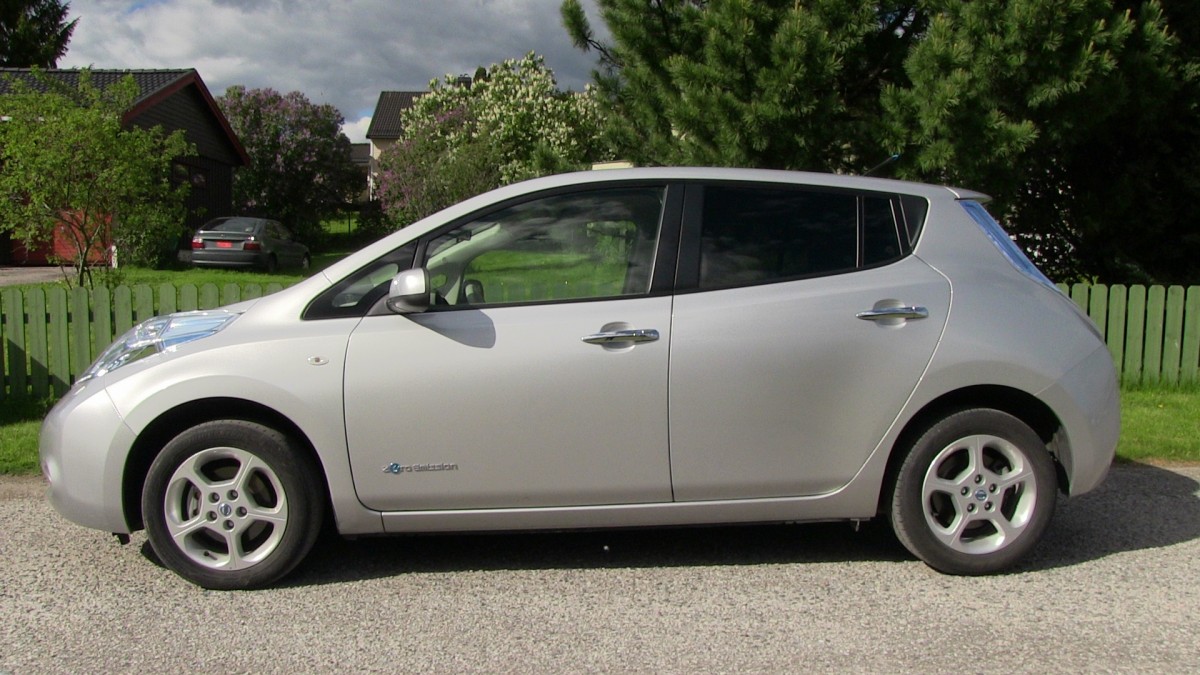
Driving style impacts short-term range. Through the action of regenerative braking, it also plays a role in battery health maintenance.
F. Maximizing Regenerative Braking
Regenerative braking is key to efficiency and gently returns energy to the battery pack.
1. M. Smooth Deceleration: Practice smooth, gradual deceleration whenever possible. This maximizes the amount of energy recovered through regeneration, reducing the need for friction braking and optimizing efficiency.
2. N. One-Pedal Driving: Utilizing the “one-pedal driving” feature (if available) allows the driver to modulate speed using only the accelerator pedal. This driving mode is generally the most efficient way to capture kinetic energy back into the battery.
G. Efficiency Through Moderation
High speed and aggressive acceleration are the biggest drains on available range.
1. O. Speed and Air Resistance: Air resistance increases exponentially with speed. Maintaining moderate highway speeds (e.g., 65-70 mph or 105-113 km/h) is far more efficient than driving at 80 mph (130 km/h).
2. P. Using Eco Modes: Engage the car’s Eco or Efficiency driving mode for daily commuting. These modes often temper acceleration response and optimize climate control settings to maximize mileage per charge.
H. Range Monitoring and Prediction
Accurate range prediction helps alleviate “range anxiety” and encourages optimal charging behavior.
1. Q. The Guess-O-Meter (GOM): Understand that the car’s estimated range display (often called the Guess-O-Meter or GOM) is an estimate based on recent driving history. Its number is constantly fluctuating and should be treated as a guide, not a precise measurement.
2. R. Trip Planning: Use the vehicle’s built-in navigation or a dedicated EV routing app (like A Better Routeplanner) to plan trips, especially long ones. These tools use real-time data on elevation, weather, and charging station availability for more accurate range projections.
IV. Long-Term Maintenance and Software
Battery technology is constantly improving. Software updates are often released to further optimize battery performance and safety.
I. Software Updates and Optimization
The vehicle’s software plays a crucial, continuous role in managing the battery’s health and lifespan.
1. S. Accepting Updates: Always accept and install over-the-air (OTA) software updates from the manufacturer. These updates frequently include battery management system (BMS) improvements that refine charging protocols and thermal control.
2. T. Data Monitoring: The BMS is constantly monitoring the state of every single cell in the battery pack. It dynamically adjusts charging and discharging rates to ensure uniformity and prevent any one cell from failing prematurely.
J. Battery Warranty and Replacement
Understanding the warranty terms provides peace of mind regarding the long-term cost of ownership.
1. U. Warranty Coverage: Most manufacturers offer an excellent warranty on the battery pack, typically 8 years or 100,000 miles (160,000 km). This usually guarantees a minimum State-of-Health (e.g., 70% retention) at the end of the term.
2. V. Degradation Reporting: Utilize any built-in features or third-party apps that allow you to monitor and track the battery’s degradation rate. Consistent monitoring helps identify any abnormal or accelerated capacity loss.
K. Addressing Long-Term Use Concerns
The battery pack’s lifespan is proving to be much longer than initially feared.
1. W. Second Life Applications: When an EV battery finally reaches the end of its useful automotive life (around 70-80% capacity), it can still be repurposed for “second life” applications. This includes home energy storage or grid balancing. This further enhances the overall sustainability and value chain.
2. X. Replacement Cost Evolution: While current battery replacement costs can be high, the price of battery cells is steadily declining globally due to mass production and technological advances. Future replacement costs are projected to be significantly lower.
Conclusion
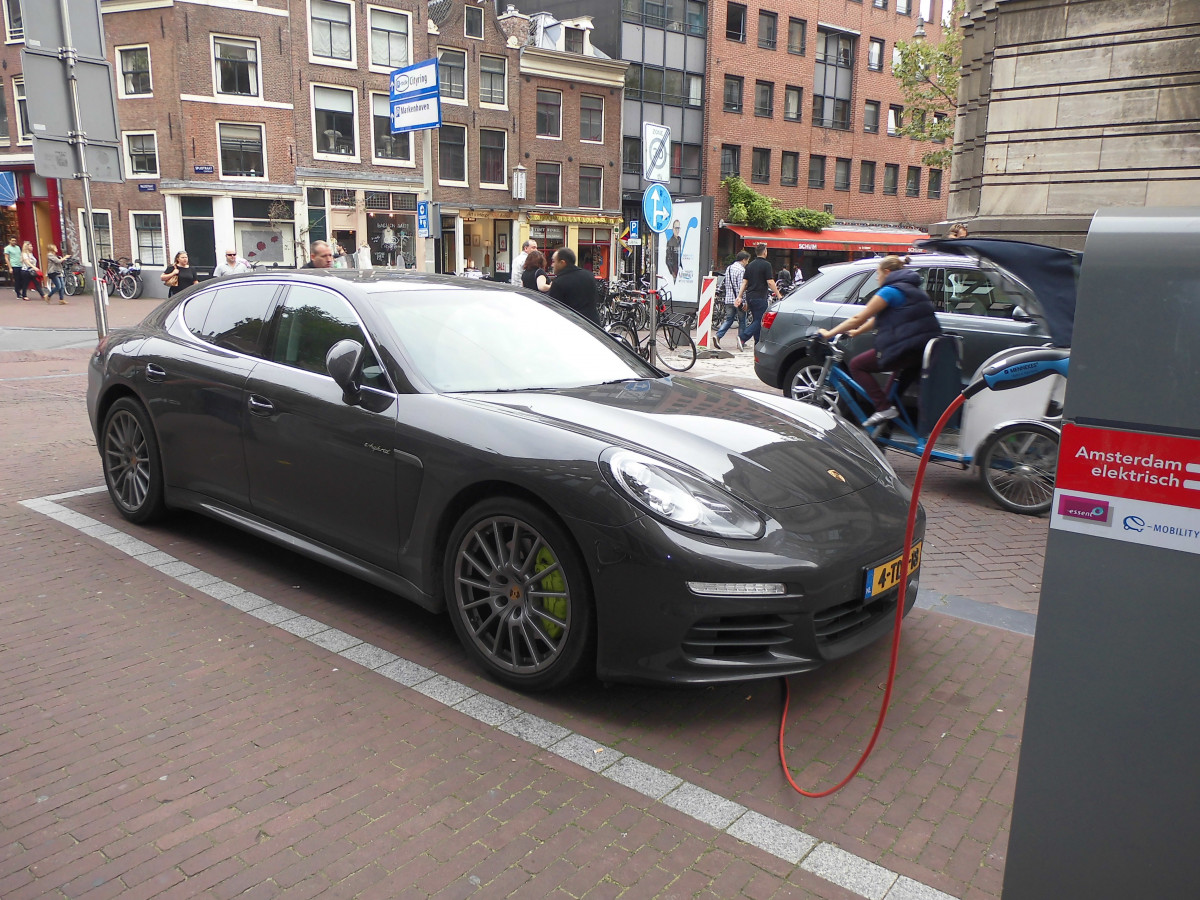
Maximizing an EV battery’s range and longevity is fundamentally a task of intelligent thermal and charge management, heavily influenced by the owner’s daily habits.
The critical strategy for long-term battery health is adhering to the 20% to 80% charge window for routine use, consciously avoiding the chemical stress associated with sustained high or very low states of charge.
Heat is the most significant accelerator of permanent battery degradation; therefore, minimizing exposure to high ambient temperatures and prioritizing Level 2 (AC) charging over continuous DC fast charging is paramount.
Driving style plays a key role in energy conservation and recovery, where practicing smooth, moderate acceleration and fully utilizing regenerative braking directly extends the available driving range per charge.
The car’s sophisticated Battery Management System (BMS) is continually optimized through over-the-air software updates, making it essential for owners to accept these updates to ensure the latest battery control strategies are in place.
Understanding the generous 8-year/100,000-mile battery warranty provides essential financial security against premature failure, reinforcing the confidence in the long-term reliability of the electric powertrain investment.