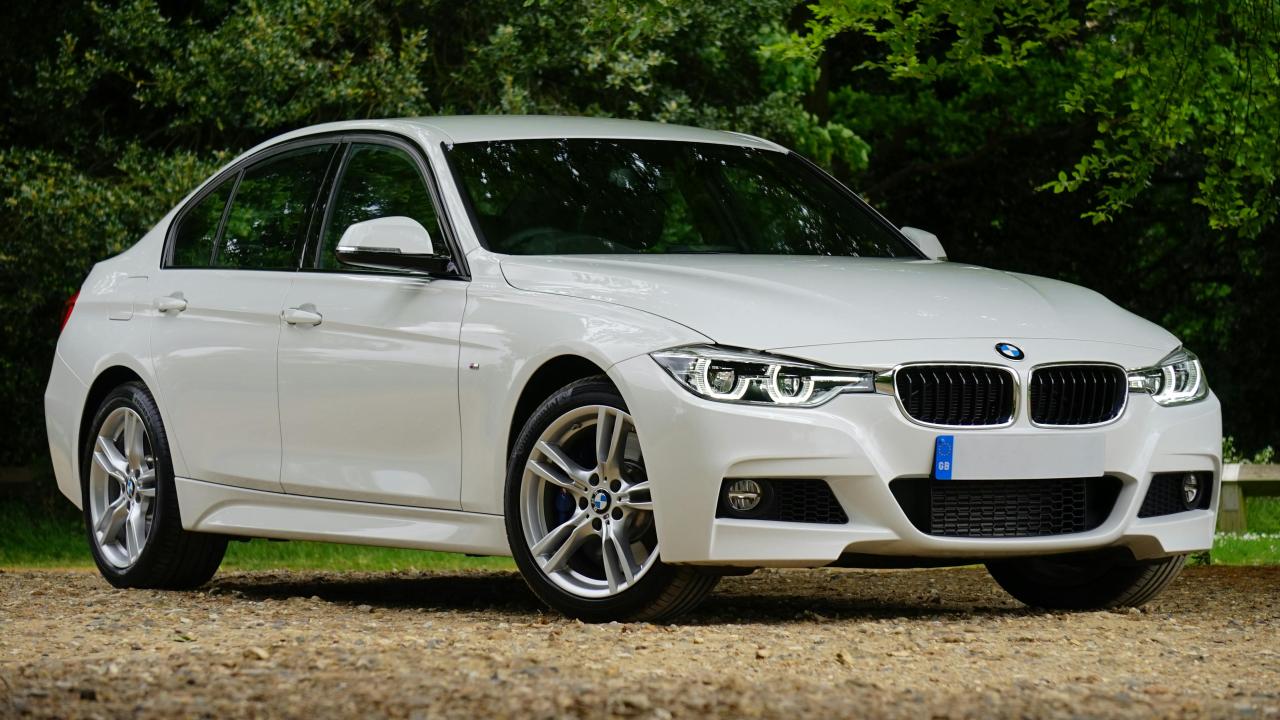
The contemporary automotive landscape is rapidly shifting away from pure combustion engines. This is driven by escalating fuel costs, stricter global emission standards, and a growing consumer desire for sustainable yet practical daily transportation solutions. While all-electric vehicles (EVs) command headlines, the hybrid sedan segment remains arguably the most sensible and immediately accessible bridge technology for the average driver. It offers the anxiety-free refueling convenience of gasoline coupled with the dramatic fuel savings of electric power.
These vehicles skillfully marry a traditional engine with an electric motor and a small battery pack. This results in a propulsion system that is far more complex than either source alone but delivers unparalleled efficiency in city driving and reliable long-range capability on the highway. Choosing the right hybrid sedan today means navigating a crowded field of contenders. Each promises best-in-class mileage, advanced technology integration, and a comfortable daily commute.
It is no longer enough for a hybrid to simply post high miles per gallon (MPG) numbers. The modern hybrid must also provide a refined driving experience, cutting-edge safety features, and a competitive price point that justifies the initial investment. This comprehensive analysis will delve deep into the most compelling hybrid sedans currently on the market. It will meticulously compare their fuel economy, performance dynamics, interior technology, and overall value proposition, ensuring that prospective buyers can make an informed decision that perfectly balances environmental responsibility with everyday practicality.
The Hybrid Advantage: Balancing Power and Efficiency
Hybrid sedans occupy a unique and advantageous position in the market. They deliver remarkable fuel economy, often exceeding 50 MPG in combined city and highway driving, without requiring owners to adapt to a new charging infrastructure.
This flexibility makes them an ideal choice for drivers transitioning away from purely gasoline-powered cars. The instant torque from the electric motor also provides a surprising boost in acceleration, enhancing the driving experience, especially in stop-and-go traffic. They offer a refined, quiet ride unmatched by most non-hybrid competitors in the same class.
I. Defining the Best-in-Class Hybrid Criteria
To be considered a top pick in the competitive hybrid sedan segment, a vehicle must excel across several key areas. We assess performance based on a rigorous set of metrics that go beyond mere fuel economy numbers.
A. Fuel Efficiency and Real-World MPG
While EPA estimates provide a baseline, real-world testing is essential. The best hybrids consistently achieve high combined fuel economy figures.
1. A. City vs. Highway Performance: Top hybrids demonstrate superior performance in city driving, where regenerative braking and pure electric propulsion can maximize efficiency. Their electric components should allow significant stretches of low-speed, zero-emission travel.
2. B. Range and Refueling: The ideal hybrid offers a long driving range, often exceeding 600 miles (approximately 965 kilometers) on a single tank. This minimizes time spent at the pump, a major convenience factor.
B. Driving Dynamics and Comfort
A good hybrid should not compromise the driving experience for the sake of efficiency. The ride should be refined and engaging.
1. C. Smooth Power Transition: The integration between the gasoline engine and the electric motor (the seamless transition) must be imperceptible to the driver. Harsh shifts or surging power delivery are unacceptable in modern designs.
2. D. Handling and Steering: While not track cars, the best hybrid sedans offer balanced handling and precise steering. This provides a stable and confident feel during daily commutes and highway cruising.
C. Interior Technology and Features
Modern buyers demand advanced connectivity, safety, and comfort features, regardless of the powertrain type.
1. E. Infotainment Systems: The vehicle must feature a responsive and intuitive infotainment system with seamless integration of essential services like Apple CarPlay and Android Auto. Large, clear displays are now standard expectation.
2. F. Advanced Safety Suite: All top models must include a comprehensive set of Advanced Driver-Assistance Systems (ADAS). This includes adaptive cruise control, lane-keeping assist, and automatic emergency braking, often standard or widely available.
II. Top Contenders in the Hybrid Sedan Market
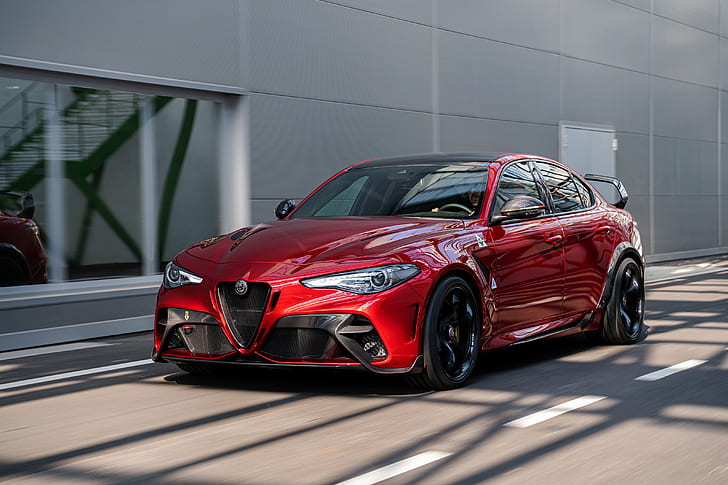
Several models consistently stand out. They define the segment through their blend of efficiency, reliability, and value.
D. The Efficiency Champion: Toyota Prius
The Toyota Prius remains the benchmark for fuel efficiency and reliability. Recent redesigns, however, have significantly improved its styling and driving appeal.
1. G. Benchmark MPG: The Prius often leads the segment, with some trims reaching close to 57 MPG combined. Its latest powertrain is both more powerful and more frugal than previous generations.
2. H. Reliability and Resale: Toyota’s reputation for longevity is a massive selling point. The Prius boasts best-in-class reliability scores and holds its resale value exceptionally well, minimizing the total cost of ownership.
E. The Performance Sleeper: Honda Insight (or Accord Hybrid)
Honda offers a compelling alternative. They focus on a more traditional sedan feel with excellent hybrid technology. We will focus on the Honda Accord Hybrid, which dominates its class.
1. I. Refined Powertrain: The Accord Hybrid delivers a remarkably refined driving experience. It feels more like an electric vehicle at low speeds due to its innovative e-CVT system. The transition to gasoline power is smooth and quiet.
2. J. Practicality and Size: Offering a spacious interior and a large trunk, the Accord Hybrid sacrifices little in practicality compared to its non-hybrid counterpart. It is often cited as the top choice for families needing efficiency without downsizing.
F. The Value Leader: Hyundai Elantra Hybrid
Hyundai has aggressively challenged the market leaders. They offer competitive efficiency paired with a wealth of standard features at an attractive price point.
1. K. Standard Features: The Elantra Hybrid often comes equipped with advanced technology and safety features that competitors charge extra for. This strategy significantly boosts its value proposition.
2. L. Distinctive Styling: Unlike some conservative competitors, the Elantra boasts sharp, distinctive styling. This appeals to younger buyers looking for efficiency that doesn’t compromise aesthetic appeal.
III. Deep Dive: Fuel Economy and Cost Analysis
Moving beyond superficial comparisons requires a detailed look at the financial aspects. This includes long-term fuel savings and the total cost of ownership (TCO).
G. Calculating Long-Term Fuel Savings
The true financial benefit of a hybrid comes from fuel consumption reduction over many years of ownership.
1. M. Annual Savings Potential: An average driver traveling 15,000 miles (approximately 24,000 kilometers) per year can save hundreds of dollars annually when moving from a 30 MPG car to a 50 MPG hybrid. This saving accelerates if fuel prices rise.
2. N. Driving Habits Impact: The specific savings are highly dependent on the driver’s environment. Those who spend most of their time in urban, stop-and-go traffic will see the highest MPG and thus the greatest savings, benefiting from the electric motor’s low-speed efficiency.
H. Total Cost of Ownership (TCO) Considerations
TCO includes purchase price, fuel, maintenance, insurance, and depreciation. Hybrids often excel in TCO.
1. O. Battery Longevity and Warranty: Modern hybrid batteries are highly reliable and typically come with extensive warranties (often 8 years/100,000 miles or more, federally mandated in the US). This mitigates the major historical concern about replacement cost.
2. P. Maintenance Simplicity: Hybrid systems reduce wear and tear on components like the friction brakes (due to regenerative braking) and the gasoline engine (due to reduced usage). This can lead to lower routine maintenance costs over the vehicle’s lifespan.
IV. Key Decision Factors for Prospective Buyers
Making the final selection involves balancing personal needs with the specific strengths of each model.
I. The PHEV Alternative: Plug-in Hybrid Electric Vehicles
For those with access to home or workplace charging, a Plug-in Hybrid Electric Vehicle (PHEV) offers a compelling middle ground.
1. Q. Electric-Only Range: PHEVs can travel a significant distance (usually 25 to 50 miles) purely on electric power. This covers most people’s daily commute with zero gasoline. This maximizes daily efficiency.
2. R. The Flexibility Factor: Unlike pure EVs, PHEVs eliminate range anxiety entirely because they seamlessly switch to the gasoline engine once the battery is depleted. This offers the best of both worlds.
J. Resale Value and Long-Term Investment
A car’s ability to hold its value is a critical measure of its quality and market demand. Hybrids, particularly those from established reliable brands, typically perform very well.
1. S. Brand Reputation: Brands known for hybrid system durability (e.g., Toyota, Honda) command a premium in the used car market. This lowers the net cost of ownership for the first buyer.
2. T. Market Demand: As consumers continue to prioritize efficiency, the demand for high-MPG hybrid sedans is expected to remain robust. This secures a strong depreciation curve for these vehicles compared to high-consumption gasoline models.
Conclusion

The selection of the best hybrid sedan involves a sophisticated balance between fuel economy, driving comfort, technology integration, and overall long-term value.
Modern hybrid powertrains have overcome early reservations regarding performance and complexity, now offering a driving experience that is smooth, quiet, and surprisingly responsive.
The best hybrid sedans, led by models like the Toyota Prius, Honda Accord Hybrid, and Hyundai Elantra Hybrid, showcase distinct strengths tailored to different buyer priorities.
Prospective buyers must look beyond the sticker price, utilizing the Total Cost of Ownership (TCO) calculation, which accounts for low maintenance and strong resale value over several years.
The continued development of hybrid technology, including the growth of Plug-in Hybrid Electric Vehicles (PHEVs), offers even greater zero-emission driving capabilities for those with charging access.
Ultimately, investing in a top-rated hybrid sedan is a strategic decision that guarantees significant cost savings on fuel and aligns personal transportation with rising standards of environmental sustainability.